Futuresource Consulting ran the numbers. About 60 percent of Gen Z reports buying vinyl. Turntable sales lag record sales by a margin that does not close. The audiophile argument that drove the vinyl revival, the warmth, the ritual, the analog depth, was a cover story that worked on critics and music journalists and almost nobody else.
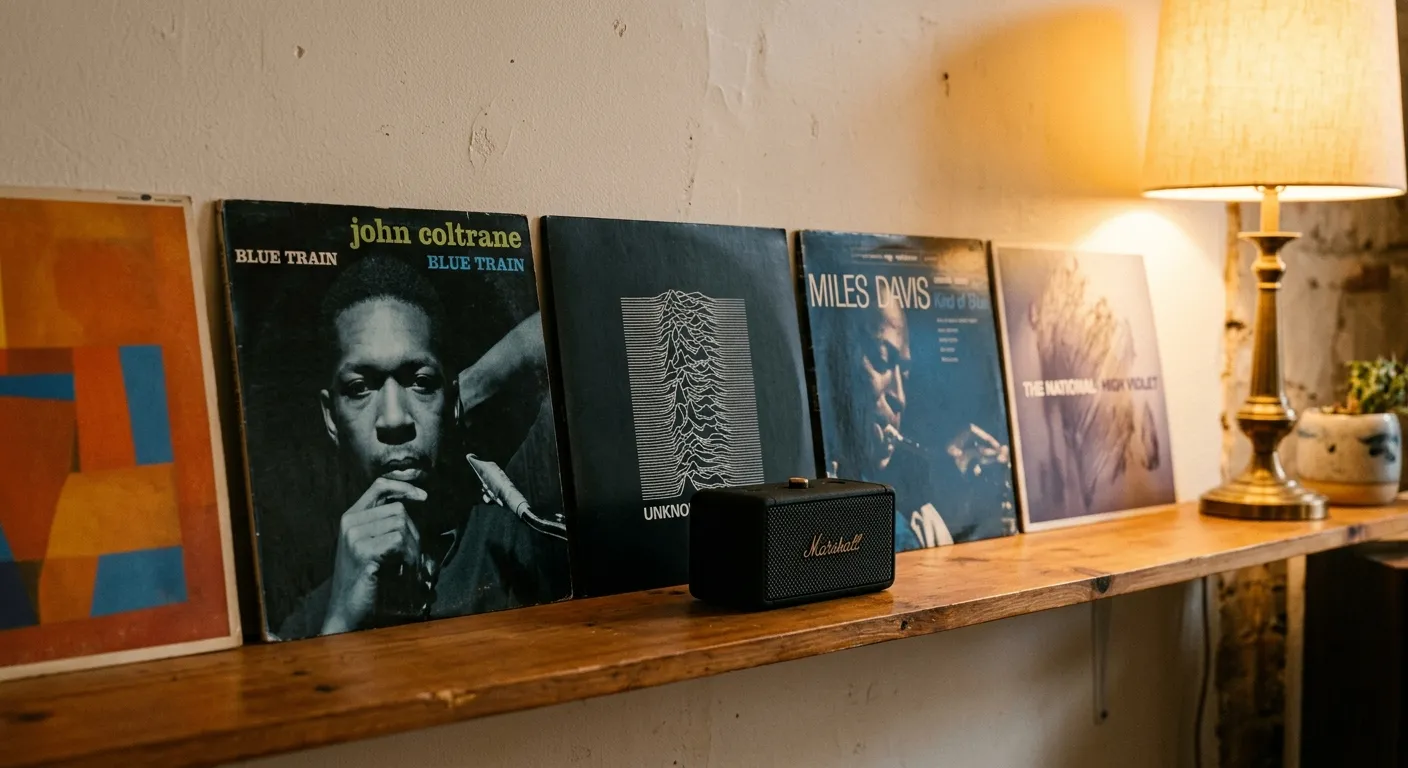
What Gen Z is buying is an object. The cover art. The limited colorway. The weight of the thing. The object signals something about the owner's relationship to music in the same way a concert tee signals attendance. The difference is that the concert tee was worn to the concert. The record may never leave the sleeve. The precedent is the coffee table book. Publishers understood decades ago that some books are purchased to be visible rather than read. The Taschen business is built on exactly this. Nobody buys a five-hundred-dollar Helmut Newton monograph expecting to read it cover to cover before bed. The purchase is a statement. The statement is about taste, seriousness, and the kind of home the owner believes they inhabit.
Vinyl found the same customer through a different door. The door was nostalgia for an era the buyer did not experience, which is also a familiar pattern. Heritage brands have run that play since the 1980s. You do not have to have lived through something to want to claim proximity to it.
The business that survives this is not the record label and not the pressing plant, not at scale. The business that survives is closer to the art print business: limited runs, deliberate scarcity, premium packaging, and a customer who is buying the relationship to the artist rather than a playback format. The playback is optional. The relationship is the product. Streaming solved playback in 2008. What streaming cannot sell is the object on the shelf, and that is what the record is now.